 Bamako, Mali



Molecular Ecology of Vectors
Studying vector diversity, distribution and biological characteristics to better understand disease transmission.
Explore this areaResearch & training · Mali
IDMERTC brings together medical entomology and infectious disease research to generate knowledge, train scientists and support public health.
Discover our research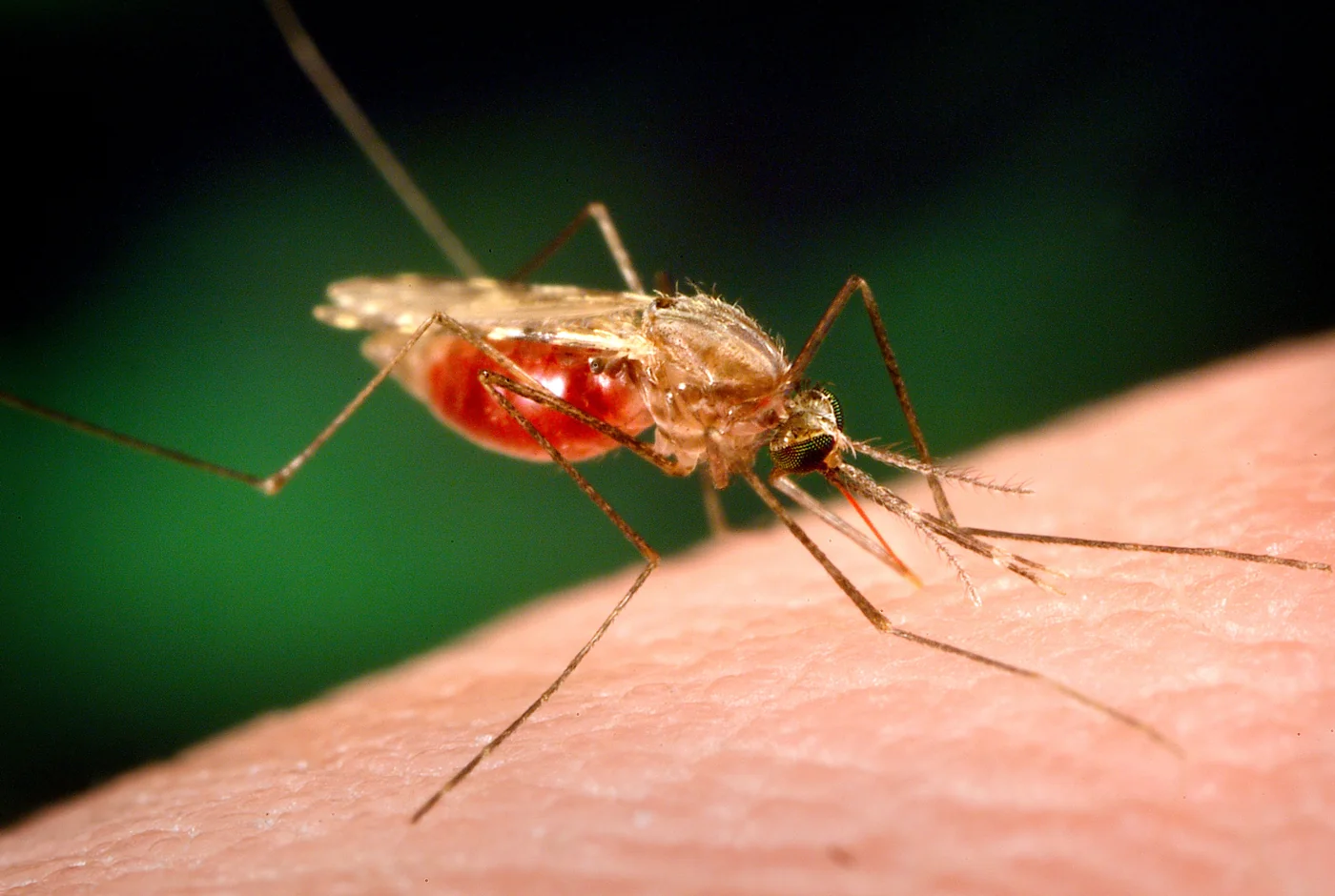
At USTTB, the Infectious Diseases and Medical Entomology Research and Training Center connects fundamental research, fieldwork and training.
Its activities contribute to a better understanding of vector-borne diseases, the study of surveillance and control strategies, and the strengthening of national scientific capacity.
Our research areas
A selection of the Center’s research areas, from vector biology to implementation research.
Studying vector diversity, distribution and biological characteristics to better understand disease transmission.
Explore this areaExploring host immune and genetic factors and their relationships with infectious diseases.
Explore this areaContributing to research on lymphatic filariasis, onchocerciasis, schistosomiasis, leprosy and other neglected tropical diseases.
Explore this areaUnderstanding interactions between vectors and pathogens, and studying approaches to surveillance and vector control.
Explore this areaStudying the epidemiology of cutaneous leishmaniasis and interactions between vectors, parasites, reservoirs and hosts to contribute to the development of new prevention strategies.
Explore this areaStudying zoonotic and emerging and re-emerging viral diseases to assess their importance and risks to public health in Mali.
Explore this areaExploring the genetics and genomics of malaria vectors to better understand their diversity and contribute to the development of new control strategies.
Explore this areaStudying the spatial and temporal distribution of infectious diseases and public health problems to improve their understanding and inform interventions.
Explore this areaFeatured publication
Our partners




Let’s connect on research, training and scientific collaborations.